Expert Network
Beyond Borders brings together a curated network of senior practitioners with deep, hands-on experience across border security, customs, migration, command and control, risk analysis, aviation, crisis management, technology, innovation and related fields. Our members have led national agencies, shaped international policy and delivered large-scale transformation programmes. Together, they exchange experience, generate applied knowledge and help shape practical solutions for the future of borders and global mobility.
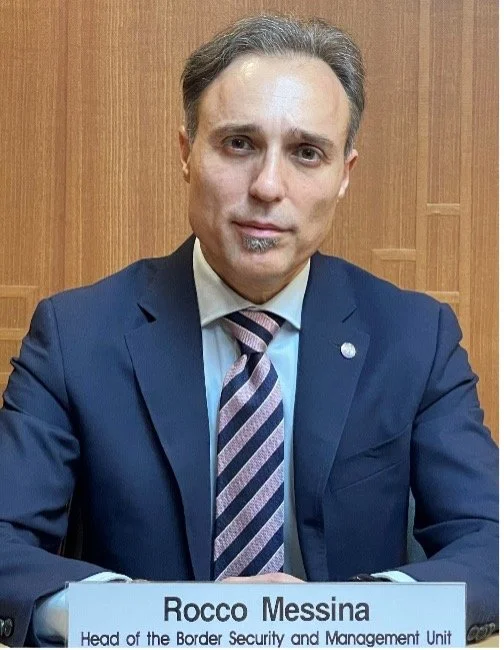
Rocco Messina is an internationally recognised programme manager in counter-terrorism and border security, with a distinguished record of designing and implementing national security strategies in some of the world's most challenging environments. As Head of the Border Security and Management Unit at the United Nations Counter-Terrorism Centre (UNCCT), he plays a pivotal role in strengthening the security frameworks of UN Member States.
His approach goes beyond policy development—he empowers nations by embedding counter-terrorism measures directly into their border systems through targeted technical assistance and capacity-building programmes. This pragmatic strategy has helped countries adapt to evolving security threats. Mr. Messina's operational application of ICAO Annex 17 and Doc 8973—at Venice International Airport, in Afghanistan, and in Haiti—adds a distinctive aviation security dimension to his border management expertise. His impact has been particularly visible in field missions. At UNCCT, he co-led the design and installation of the Integrated Border Stability Mechanism (IBSM) in Dakar, a multi-agency platform that streamlines and coordinates capacity-building activities in the border security sector across the Sahel region. At the United Nations Stabilization Mission in Haiti (MINUSTAH), he led the development of Haiti's first comprehensive national border policy. His leadership contributed to the creation of the Haitian Technical Border Commission, the Customs Police, and a specialised branch of the Haitian National Police focused on land border security—initiatives that significantly strengthened the country's border governance.
Earlier, as Training Programme Manager with NATO's International Security Assistance Force (ISAF) in Afghanistan, he designed and implemented the training curricula for the Afghan Border Police, ensuring sustainability and professionalism in one of the world's most fragile security landscapes. With more than 35 years of field and headquarters experience in counter-terrorism and border security, Mr. Messina has earned both national and international recognition for his strategic vision, leadership, and dedication.
His academic background—a Master's degree in Literature and a first-level university degree in International Law—together with fluency in English, French, Spanish, and Italian, further strengthen his ability to operate in complex, multicultural environments and build trust across diverse stakeholders.

Dr Ioana Creitaru is senior advisor in climate and disaster resilience, crisis preparedness, response, and recovery with over 17 years of leadership experience across the United Nations system. Dr Creitaru brings a strong track record of advising governments on strengthening national disaster risk management systems, translating global policy into operational solutions for countries, and delivering coordinated results across complex humanitarian and development contexts. She is recognised for building high-impact partnerships across UN agencies, governments, financial institutions, and the private sector, and for effectively engaging in high-level policy dialogue.
Dr Creitaru is currently leading UNDP’s global portfolio on disaster early warning and preparedness, spearheading the UNDP Preparedness Learning Pathway, a pioneering initiative to boost countries’ preparedness and anticipatory capabilities. She serves as the UNDP global manager of a flagship public-private partnership between UNDP and DHL Group that has enhanced airport disaster readiness capabilities in 30+ countries since 2009. Dr Creitaru is passionate advocate for disability inclusion, having led UNDP’s global policy on disability-inclusive disaster risk reduction, and a Gender Equality Champion at UNDP.
Dr Creitaru is an active UNDP SURGE Advisor with a wealth of country experience spanning all geographical regions of the world, having been deployed to support UNDP’s response and recovery efforts in Afghanistan (Eastern Afghanistan earthquakes of 31 August 2025), Egypt (Gaza crisis response in 2024), Papua New Guinea (landslides of May 2024), Syria (earthquakes of February 2023), Moldova (Ukraine refugee crisis in 2022) and India (COVID-19 pandemic in 2021). Dr Creitaru holds a PhD degree awarded in 2015 for research on securitization, climate change and disaster response from the Geneva Graduate Institute, Switzerland.
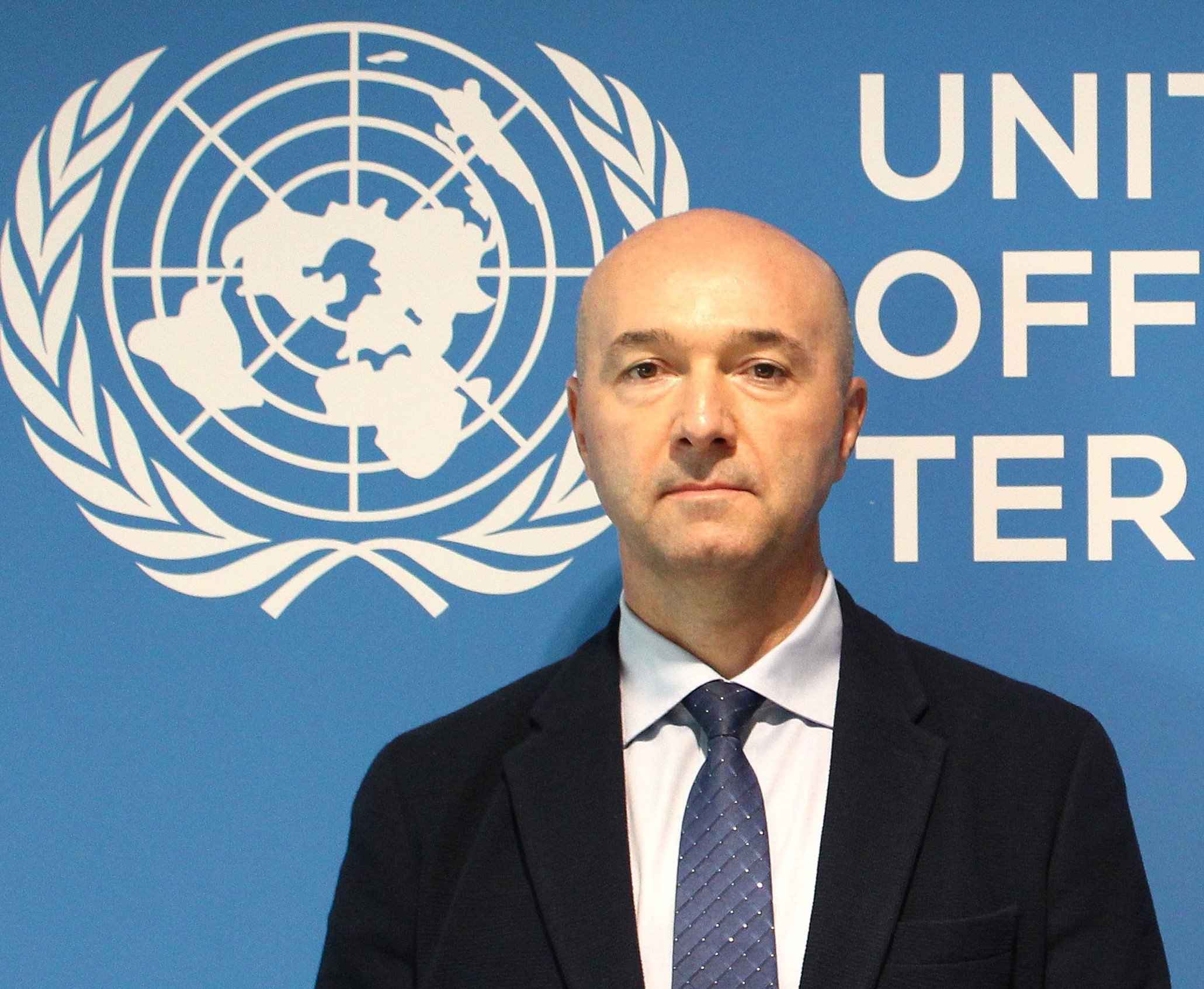
Goran Stojkovski is a senior international border security, counter-terrorism and mobility-management expert with nearly three decades of operational, strategic and programme-management experience across the United Nations, OSCE, law-enforcement and military environments.
Since 2022, he has served as Programme Management Officer with the United Nations Office of Counter-Terrorism (UNOCT), where he supports Member States in strengthening border security and counter-terrorism capabilities. His work covers counter-terrorist travel, API/PNR systems, biometrics, traveller screening, risk analysis, information sharing, institutional capacity building and the responsible use of emerging technologies.
Previously, Goran spent a decade with the OSCE, including as Borders and Customs Adviser at the OSCE Secretariat in Vienna and as Head of Border Management Unit and Acting Head of Department in Tajikistan. He provided strategic and technical support on border management, customs cooperation, integrated border management, regional security and institutional reform, while coordinating with major international partners including Frontex, WCO, INTERPOL, EUROPOL and UN entities.
Earlier in his career, Goran contributed to the establishment and modernization of the Border Police Service of North Macedonia and to the development of national Integrated Border Management strategies and cross-border cooperation mechanisms. He is particularly interested in the intersection of border management, artificial intelligence, digital identity, advanced traveller information systems, institutional resilience and future mobility ecosystems, and is a frequent speaker and contributor at international conferences and professional forums.
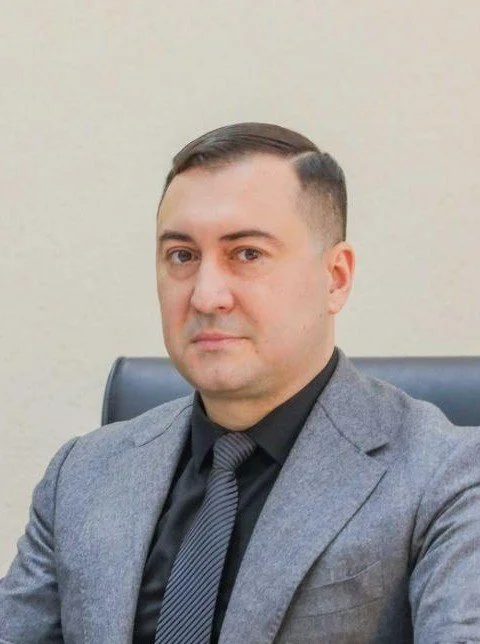
Dr Ianuș Erhan is a senior public-sector leader and legal expert with more than two decades of experience in public order and security, institutional reform, border management, customs, and human rights. He brings a strong record of leading government institutions, coordinating complex reform programmes, and translating legal and policy priorities into practical solutions. Throughout his career, he has worked closely with public authorities, international organisations, academia, and civil society.
Dr Erhan served as Secretary General of Moldova’s Ministry of Internal Affairs and, previously, as Secretary of State responsible for public order and security, crime prevention, and crime control. He also chaired the Board of Directors of the Ministry’s State Enterprise “Security Services” and served as Acting Director of the Integrated Training Center for Law Enforcement. Within the General Police Inspectorate, he contributed to the implementation of Moldova’s Police Reform Programme. Earlier, as Deputy Head of the Border Police Department, he worked on integrated border management, cross-border security, and institutional modernisation. He began his public-service career in the Customs Service, progressing from inspector to department head.
His expertise has supported initiatives implemented with UNDP, USAID, and the European Union in police reform, visa liberalisation, justice, customs, legislative harmonisation, and law-enforcement training. Alongside his governmental career, Dr Ianuș has taught Customs Law and Contraventional Law at Moldova State University since 2007 and currently works there as a senior scientific researcher. He has also served as an associate professor at the University of European Political and Economic Studies “Constantin Stere” since 2018. An experienced trainer and author, he has published extensively on policing, public security, human rights, good governance, and European integration. Dr Erhan holds a Doctor of Law in Public Law and master’s degrees in Public Law and European Studies, and his professional contributions have been recognised through national and international distinctions.
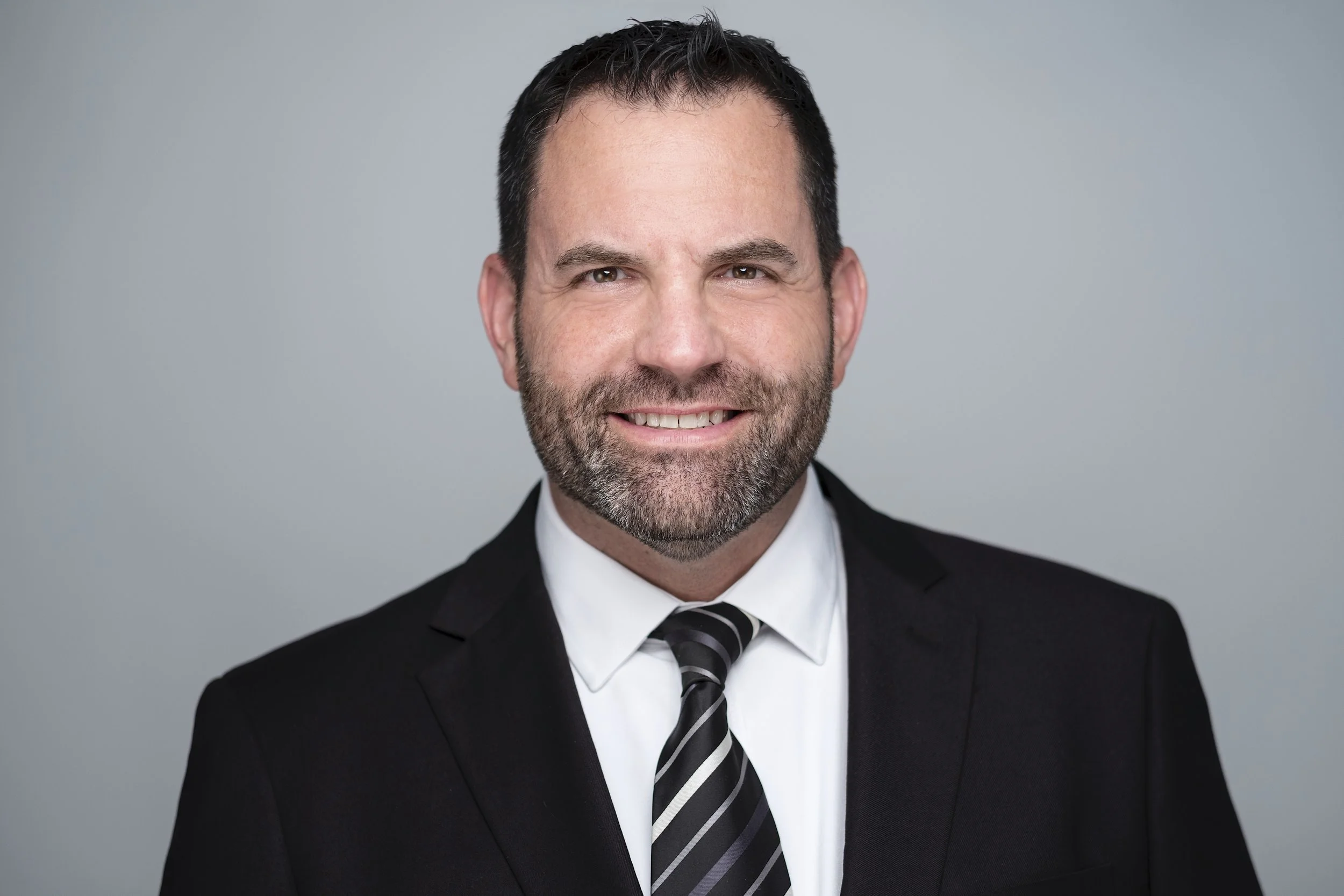
Dr. Randal A. Collins, Ed.D., CEM, is an emergency management executive, educator, and crisis leadership practitioner with more than 30 years of experience across government, public safety, critical infrastructure, humanitarian operations, international development, and military service. He currently serves as Director of the Department of Emergency Management for the City and County of Honolulu, leading preparedness, response, recovery, resilience, and crisis coordination for the world’s most geographically isolated metropolitan jurisdiction. His career includes leadership during more than 30 federally declared disasters and major emergency operations at the local, state, national, and international levels.
Before joining Honolulu, Collins served as Emergency Management Senior Director for NEOM in Saudi Arabia, where he led emergency and crisis management strategy for a complex multinational development program. His earlier leadership positions include emergency management roles with the City of El Segundo, American Humane, Southern California Edison, the Indiana Department of Homeland Security, and Indianapolis Emergency Management. He also served as a police officer and as a United States Marine.
Collins serves as President of the Incident Management Teams Association and as an Advisory Board member with Crisis Lab, an international organization focused on crisis management, resilience, institutional preparedness, and decision-making in complex environments. He is also an Associate Adjunct Professor of Emergency Management at the University of Southern California, where he teaches graduate students in emergency management, leadership, risk, resilience, and crisis decision-making.
A Certified Emergency Manager, Collins holds a Doctor of Education in Organizational Change and Leadership and an Executive Master of Leadership from the University of Southern California, along with a bachelor’s degree in criminal justice from the University of Indianapolis. His research, writing, and international speaking focus on adaptive emergency management, leadership, organizational change, cognitive bias, incident management, and decision-making under uncertainty. He brings to Beyond Borders extensive experience connecting operational practice, institutional resilience, cross-sector coordination, emerging technology, and leadership in complex environments.

Dr. Reginald Freeman is the Executive Director of Fire & EMS for NEOM in Saudi Arabia. He has a wealth of both private and public sector leadership experience. He has served as a C-suite executive as well as fire chief for the Oakland (California) Fire Department, Hartford Fire Department (Connecticut), and Lockheed Martin. He also served as a civilian Fire Chief in Iraq for the U.S. Department of Defense from 2004-2008.
Chief Freeman’s educational accomplishments include a Bachelor of Arts in Leadership from Bellevue University in Bellevue, NE. He earned his Master’s Degree in Executive Fire Service Leadership from Grand Canyon University in Phoenix, AZ and earned his PhD in Emergency & Protective Services from Capitol Technology University located in Washington D.C. Chief Freeman is also a graduate and Fellow of Harvard University’s Senior Executives for State & Local Government (Class of 2007) program at the Kennedy School of Government and is a graduate of the Bloomberg Harvard City Leadership Initiative program (Class of 2019).
Chief Freeman formerly served as a Commissioner for the Commission on Professional Credentialing from 2010-2016 and as Chairman from 2016-2019. Chief Freeman is a credentialed Chief Fire Officer (CFO) through the Center for Public Safety Excellence, Inc (CPSE). as well as a “Fellow” with the Institution of Fire Engineers.
He is the Director of Training for the Caribbean Association of Fire Chiefs, and is on the Board of Directors for National Fire Protection Association and the Center for Public Safety Excellence.
Chief Freeman is an Adjunct Professor for Capitol Technology University, and the University of Florida where he lectures in both undergraduate and graduate Fire Science and Master of Public Administration programs.
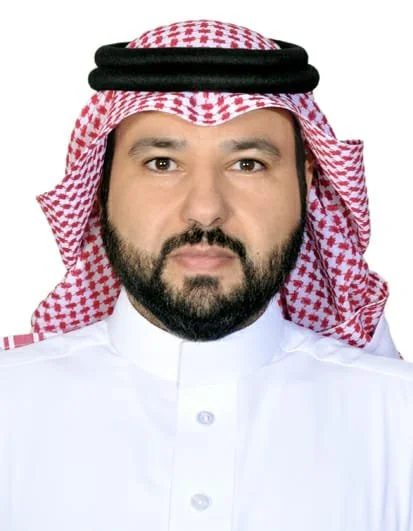
Saleh Alzahrani is a senior security and digital transformation expert with over 20 years of experience leading major programmes in border security, public safety, command and control, and smart cities.
His career includes senior roles with the Saudi Ministry of Interior and NEOM, where he contributed to large-scale, multi-agency initiatives spanning land and maritime security, emergency response, mobility, and AI-enabled operations.
He currently advises organizations on security transformation and operational technology, combining strategic leadership with extensive hands-on implementation experience.
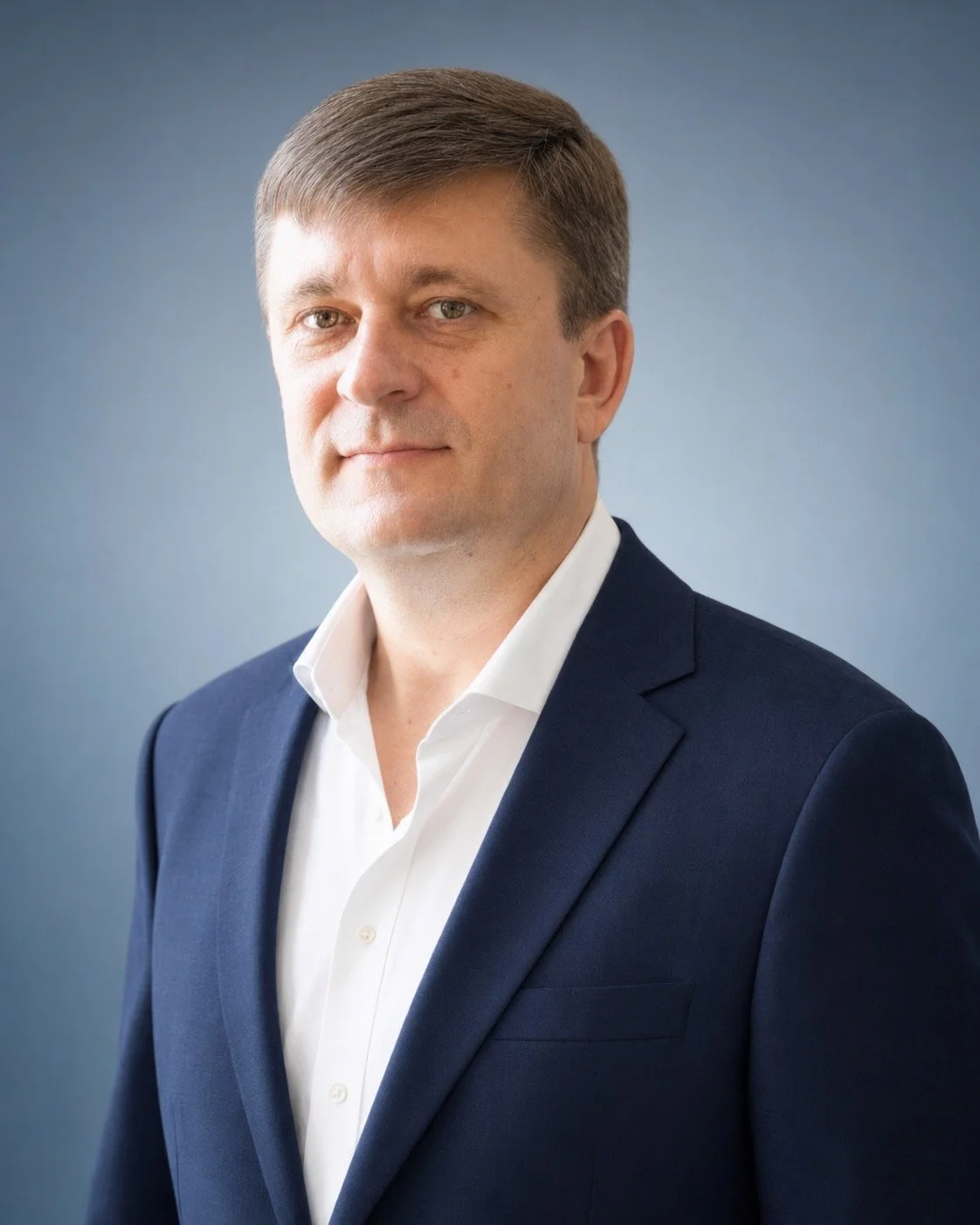
Valentin Fiodorov is a senior public-sector leader and independent expert with over 20 years of experience in integrated border management, migration governance, institutional reform and international cooperation. He combines national-level leadership with practical knowledge of border and migration systems and experience applying European standards in institutional practice.
He served as Head of Moldova’s General Inspectorate for Migration and, for eight years, as Deputy Head of the Border Police. His responsibilities included organisational reform, operational capability development, digital public services, cross-border cooperation and preparations in the field of justice, freedom and security for Moldova’s EU accession. He also coordinated the Border Police’s contribution to Moldova’s EU visa liberalisation process.
He played a leading role in developing bilateral cooperation on integrated border management with Moldova’s neighbouring countries, particularly Ukraine. His responsibilities included developing bilateral frameworks and operational mechanisms, including joint control at border crossing points, and serving as Moldovan Co-Chair of the Joint Moldova–Ukraine Commission for the Demarcation of the State Border. This work required diplomatic judgement and the ability to reconcile legal, technical and operational considerations into balanced, implementable solutions.
His current work focuses on institutional and operational assessments, border and migration procedures, capability planning, and international technical and financial assistance projects. His interests include modern border security technologies, digital transformation, interoperability, data-informed decision-making, and leadership and management training.
His approach is practical and people-centred, grounded in capable teams, clear procedures, technology, sound management and integrity.
Károly Molnár is a senior customs and border security expert with over 25 years of experience in customs enforcement, international border management, and countering illicit trafficking. His expertise includes risk analysis, customs investigations and legislation, trade facilitation, dual-use goods controls, sanctions compliance, and the detection of complex cross-border smuggling and procurement networks.
He currently serves as Senior Customs and Tax Information Officer at Hungary’s National Tax and Customs Administration, advising on EU and national customs legislation. He also supports the consistent application of the Union Customs Code and cooperation with national authorities, EU institutions, customs administrations, and international organisations.
From 2021 to 2025, Mr. Molnár served as Customs Adviser with EUBAM Libya, supporting customs reform, institutional capacity, integrity, internal investigations, and compliance with international standards. Previously, as Senior Customs Policy Officer within the Hungarian customs administration, he coordinated complex enforcement activities and international customs cooperation. He also served as Hungary’s National Contact Point for the UNODC–WCO Container Control Programme, focusing on intelligence analysis and high-risk cargo targeting.
His international experience includes assignments with the OSCE Observer Mission at the Russian checkpoints Gukovo and Donetsk, EUBAM Moldova and Ukraine, and the UN Oil-for-Food Programme in Iraq, as well as cooperation with the WCO, UNODC, EUROPOL, INTERPOL, and SELEC. He holds a Master’s degree in Law Enforcement Management, a postgraduate qualification in Finance, and a Bachelor’s degree in Law Enforcement Administration. He is fluent in English, with working knowledge of German and basic Russian.
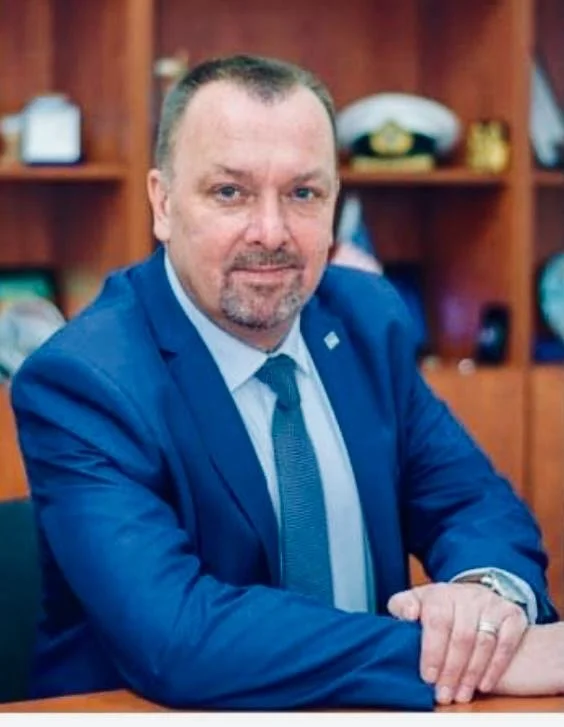
Jonathan (Jon) Holland is an international border security and institutional reform specialist with more than 40 years’ experience spanning policing, customs, immigration, coastguard, maritime and aviation security, and international capacity development across 23 countries.
He has served as Director of the OSCE Border Management Staff College, Head of Customs and Port Control for the Government of St Helena, and as a senior expert and programme leader with UNITAR, IOM, PwC and other international partners. His work has included integrated border management, inter-agency cooperation, port and supply-chain security, crisis management, organisational transformation and the development of frontline border institutions.
Jon brings extensive operational leadership together with strategic advisory, governance and international programme experience.

Cristian Fanelli is a Law Enforcement Expert in border management (IBM) and capacity building. The Integrated Border Management framework is the area of expertise for all of his specialist work on borders, passenger data, and risk-led and intelligence-led targeting processes. He served for 23 years in law enforcement in the Italian Guardia di Finanza where, from 2006 to 2020, he led the Analysis and Profiling Unit, directing risk analysis and passenger targeting in daily field operations. This operational experience shapes his approach, which consistently connects regulatory frameworks with officers' practical work at the border.
He has a strong background in Advance Passenger Information and Passenger Name Record (API/PNR) ecosystems, deepening his expertise through his work with the United Nations Office of Counter-Terrorism (UNOCT) Countering Terrorist Travel Programme (CTTP). There, he worked on the operationalisation of Passenger Information Units in Asia and the Pacific, Central Asia, Latin America and West Africa, strengthening the use of passenger data in targeting processes and establishing the foundations for the connection between risk-led analysis and field operations.
His experience in the IBM framework covers both the design and implementation, including drafting standard operating procedures (SOPs) that harmonise and strenghten the law enforcement action at borders. He has designed, contributed to and delivered capacity-building actions for several international organisations, including United Nations entities, the World Customs Organization (WCO), the Organization for Security and Co-operation in Europe (OSCE) and the International Organization for Migration (IOM).
He currently works with the United Nations Office on Drugs and Crime (UNODC) – Border Management Branch (BMB) - Passenger and Cargo Control Programme (PCCP) with specific functions related to the conceptualisation and design of a capacity-building phased approach and training methodologies, including the design and the implementation of training curricula and guidance material at the global level.
His academic background includes a Degree in Business and Economics, complemented by a Master in Criminology and Juridical Forensic Studies, a Master in Advanced Juridical Studies and a Master in Business Environment.
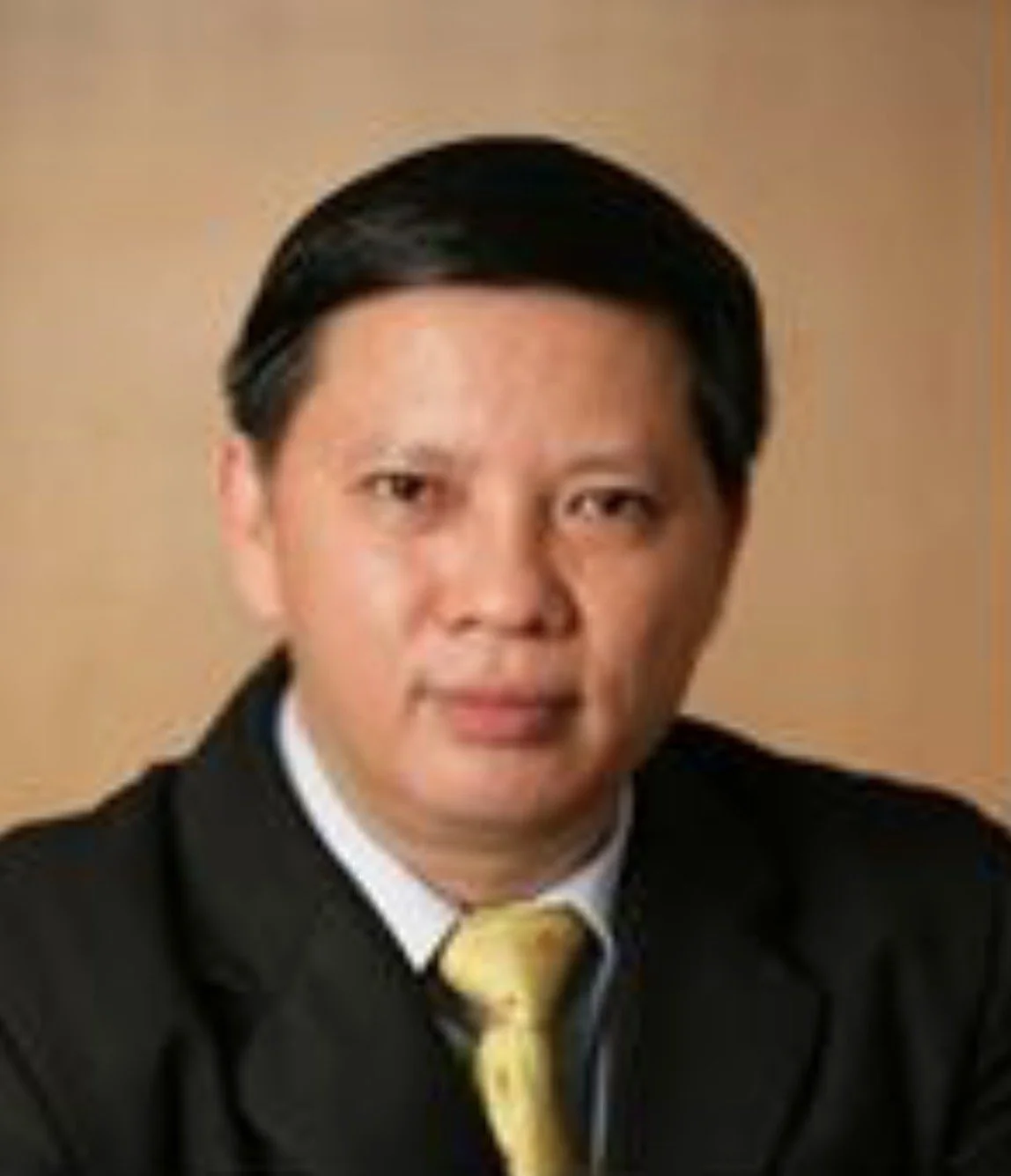
Jonathan Koh is an international expert in customs modernisation, digital trade, and Single Window programmes, recognised for connecting policy, technology, and implementation. He advises governments, customs administrations, and international organisations on trade digitalisation, from strategy and legal frameworks to system design, implementation, and private-sector adoption. His expertise includes national Single Windows, AI-enabled customs transformation, cross-border data interoperability, and implementation of the WTO Trade Facilitation Agreement.
Jonathan has led or contributed to major national and regional programmes across more than 40 countries in Asia, the Middle East, Africa, Latin America, and the Pacific. His portfolio includes the ASEAN Single Window and national trade platforms in Kenya, Oman, Qatar, Hong Kong SAR, and Bangladesh. As Head of Customs for NEOM in Saudi Arabia, he led the development of the legal, institutional, operational, and digital architecture for a next-generation customs administration, including legislation, clearance procedures, border infrastructure, and an integrated customs platform.
Jonathan currently serves as Managing Director of Trade Facilitation Pte Ltd, a specialist consultancy delivering customs and digital-trade transformation programmes globally. His recent work focuses on Smart Customs AI roadmaps that translate strategic priorities into practical transformation programmes. A Visiting Scholar with the International Monetary Fund, he has published extensively on digital trade and customs digitalisation and has developed influential resources for the IMF, World Customs Organization, and Asian Development Bank on AI adoption, customs readiness, and AI-powered tariff classification.
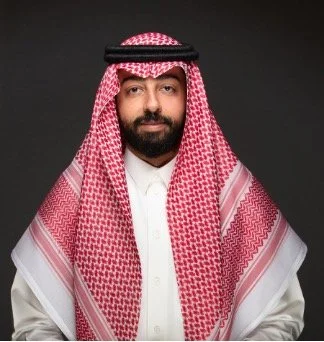
Mohammed Al Busaleh is a Saudi executive who builds the systems nations depend on when coordination cannot fail: command architecture, sovereign AI, and crisis governance at national scale. Across 18 years of senior leadership in the government, energy, and technology sectors, and as an Executive Director for emergency and crisis management at the national level, he leads the strategy, governance, and operations that connect central government with regional and municipal authorities across the Kingdom, serving as a trusted liaison to deputy-minister-level leadership and governing councils.
He is best known for architecting a governance-first, AI-enabled digital command-and-control ecosystem deployed at national scale, unifying emergency, crisis, risk, and business-continuity operations within one sovereign architecture and shifting national posture from reactive containment to anticipatory governance. His earlier national work includes authoring national frameworks across risk, emergency, and business-continuity management, benchmarked against five leading international systems and aligned to the UNDRR Sendai Framework and ISO 31000, 22301, and 22361.
Mohammed is the creator of the R³ (Readiness, Response, Recovery) Triangle Strategy and a peer-reviewed author in IEEE and Elsevier venues on governance-first frameworks for national-scale emergency management. An international speaker, he has appeared at ISNR Abu Dhabi, Intersec Dubai, the Hajj Media Forum, and one of the world's leading smart-city congresses, and he serves on national committees spanning risk management, emergency and crisis management, and marine disaster response.
He holds an M.Eng. in Sustainable and Renewable Energy from King Fahd University of Petroleum & Minerals, a B.Sc. in Electrical Engineering from The University of Akron, and executive leadership education from Harvard University. Within Beyond Borders, he contributes where command architecture, sovereign AI, and cross-jurisdictional coordination meet the future of border management and global mobility.
Lajos Zsolt Karakas is a senior international expert with nearly three decades of experience in border security, integrated border management, law enforcement, institutional reform, security-sector governance, and international technical assistance. He combines operational law-enforcement experience with executive leadership in European Union and OSCE field missions and strategic advisory support to public institutions implementing European standards.
He began his career with the Hungarian Border Guard and Police, working in operational, investigative, and internal-security roles related to anti-corruption, professional integrity, and cross-border crime prevention. He later held senior positions with the European Union Border Assistance Mission to Moldova and Ukraine, including Head of the Planning, Analysis and Coordination Office, Officer-in-Charge, and responsibilities as Deputy Head of Mission. Within the OSCE Mission to Moldova, he served as Acting Deputy Head and Acting Head of Mission, leading confidence-building, institutional development, security cooperation, and crisis-management activities. His earlier work with the OSCE Programme Office in Bishkek focused on regional border cooperation, counterterrorism, organised-crime prevention, and strengthening cooperation among border, customs, and law-enforcement authorities in Central Asia.
Following Russia’s full-scale invasion of Ukraine, Lajos supported EUBAM’s operational continuity and was the Mission’s only international staff member continuously based in Ukraine from September 2023 until its closure. He currently provides pro bono strategic and technical advice to Ukrainian public institutions, focusing on border and customs resilience, institutional reform, law-enforcement cooperation, programme management, and European integration. His contribution has been recognised through distinctions from Moldova and Ukraine, including Moldova’s Medal of Honour for Peacekeeping and the Ukrainian Order “Unity and Freedom.” Guided by integrity and cooperation, he is committed to translating operational experience into practical reforms, stronger institutions, and sustainable international partnerships.
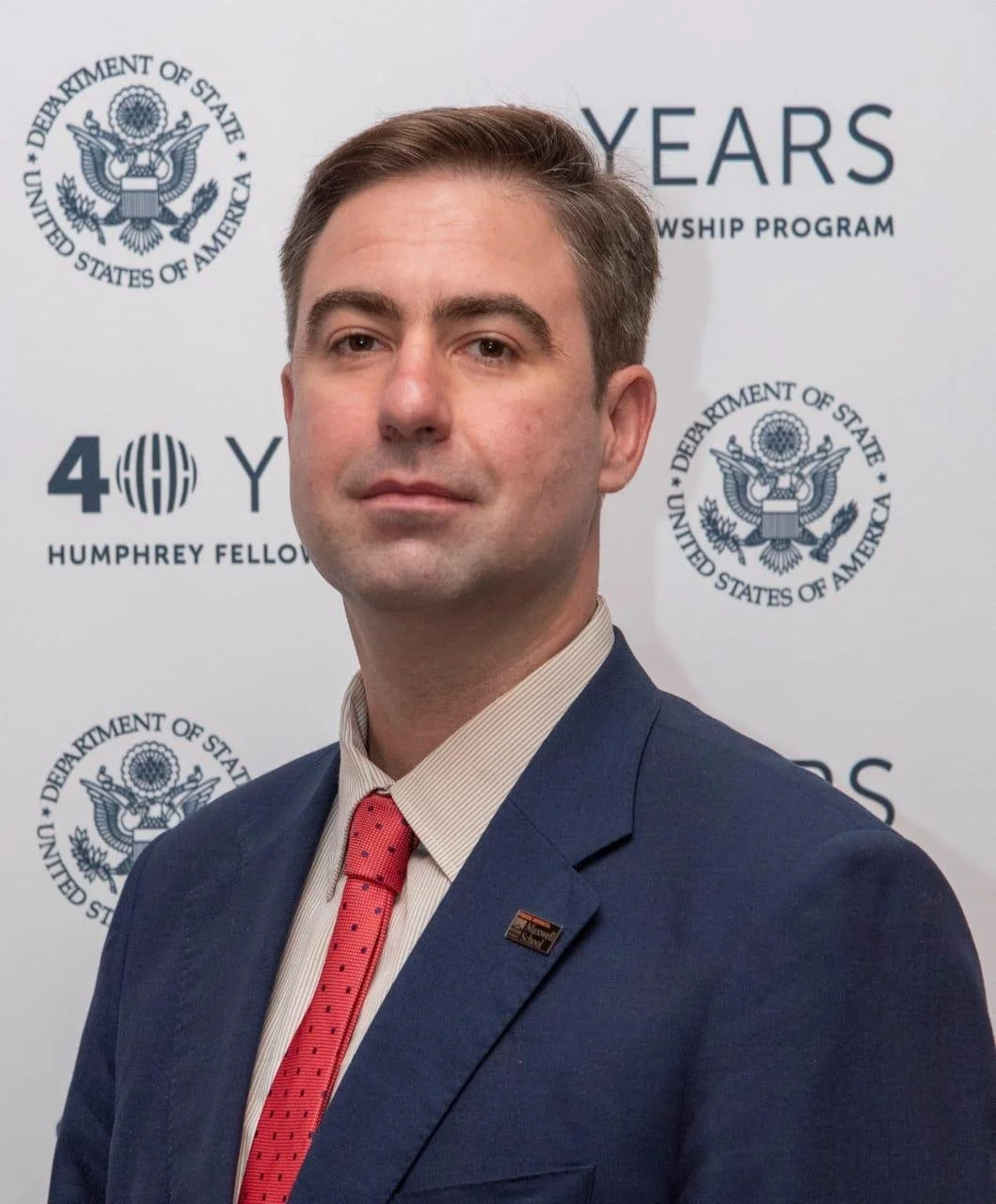
Anton Shevchenko offers two decades of experience across a variety of security policy, risk management, crisis preparedness and response domains gained in Ukraine and other contexts. He worked with the UN, OSCE, Red Cross, USAID, international NGOs, official development assistance programmes as well as with emergency response and coordination platforms. Anton was responsible for the development of some of the major security and mobility-related initiatives in Ukraine as the OSCE’s humanitarian mine action programme, UNDP’s disaster preparedness and risk reduction programme, and CIVIC’s civilian protection programme. He also served at the concluding composition of the United States Bureau for Humanitarian Assistance’s Disaster Assistance Response Team (DART) in Ukraine and at the UN mission in Somalia.
Anton led the creation of a research centre at the Ukrainian Red Cross Society and undertook research under the Hubert Humphrey Fellowship programme at Syracuse University, for the Global Prioritisation Exercise for Humanitarian Research and Innovation with the UK Humanitarian Innovation Hub, and the UN Recovery and Peacebuilding programme in the east of Ukraine. Active also in the security sector, he contributed, as the country focal point, in the development of the OSCE Security Sector Governance and Reform Guidelines and the launch of the FCDO-funded civilian security sector reform programme in Ukraine.
Anton Shevchenko holds a Master of Advanced Studies degree in International and European Security from the University of Geneva and the Geneva Centre for Security Policy, a Master’s degree in International Law, and an executive certificate in Leadership in International and Non-Governmental Organizations. Anton serves as an Alumni Ambassador of the Maxwell School of Citizenship and Public Affairs and was awarded a Hubert Humphrey Impact Award in 2022 by the Institute of International Education. Besides English, he is fluent in Ukrainian, Russian and Spanish.
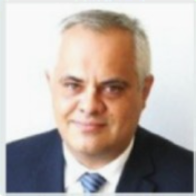
Eugeniu Paladi is a CBRN international expert and integrated border management specialist with more than 26 years of experience across customs authorities, border security agencies and international organisations, including the OSCE and EU-funded CBRN programmes. His professional background spans integrated border management, customs enforcement, cross-border investigations, CBRN risk mitigation, and biosafety and biosecurity capacity-building across South East and Eastern Europe.
He currently serves as Key Expert for Front-Line Management under CBRN P100, an EU-funded programme strengthening frontline biosafety and biosecurity measures across the region, and as an EU Expert in CBRN preparedness and response. He also serves as Expert Advisor for International Cooperation, Inter-Agency Cooperation and Media Relations at the Agency for Forensic and Expert Examinations. Previously, he held senior customs positions at Chişinău International Airport and served with the OSCE as a Border Observer and Administrative Officer in Ukraine.
His work focuses on integrated border management, border security governance and CBRN emergency preparedness, applying risk-based and intelligence-led decision-making at border crossing points. He develops standard operating procedures, response plans and professional training programmes for frontline and supporting authorities, including border guards, customs officers and public health services. He has cooperated with international and regional organisations including the OSCE, Frontex, EUBAM, SELEC, UNICRI and the IAEA.
He holds a Bachelor of Law in Customs Law and International Commercial Law from the State University of Moldova and a Master of Law in Economic Law from the Free International University of Moldova. He is also completing a Master’s Degree in CBRN Protection at the University of Rome Tor Vergata, where he defended his thesis on responses to biological threats in South East and Eastern Europe in June 2026. He is fluent in English, Russian and Romanian, with working proficiency in Ukrainian and German.
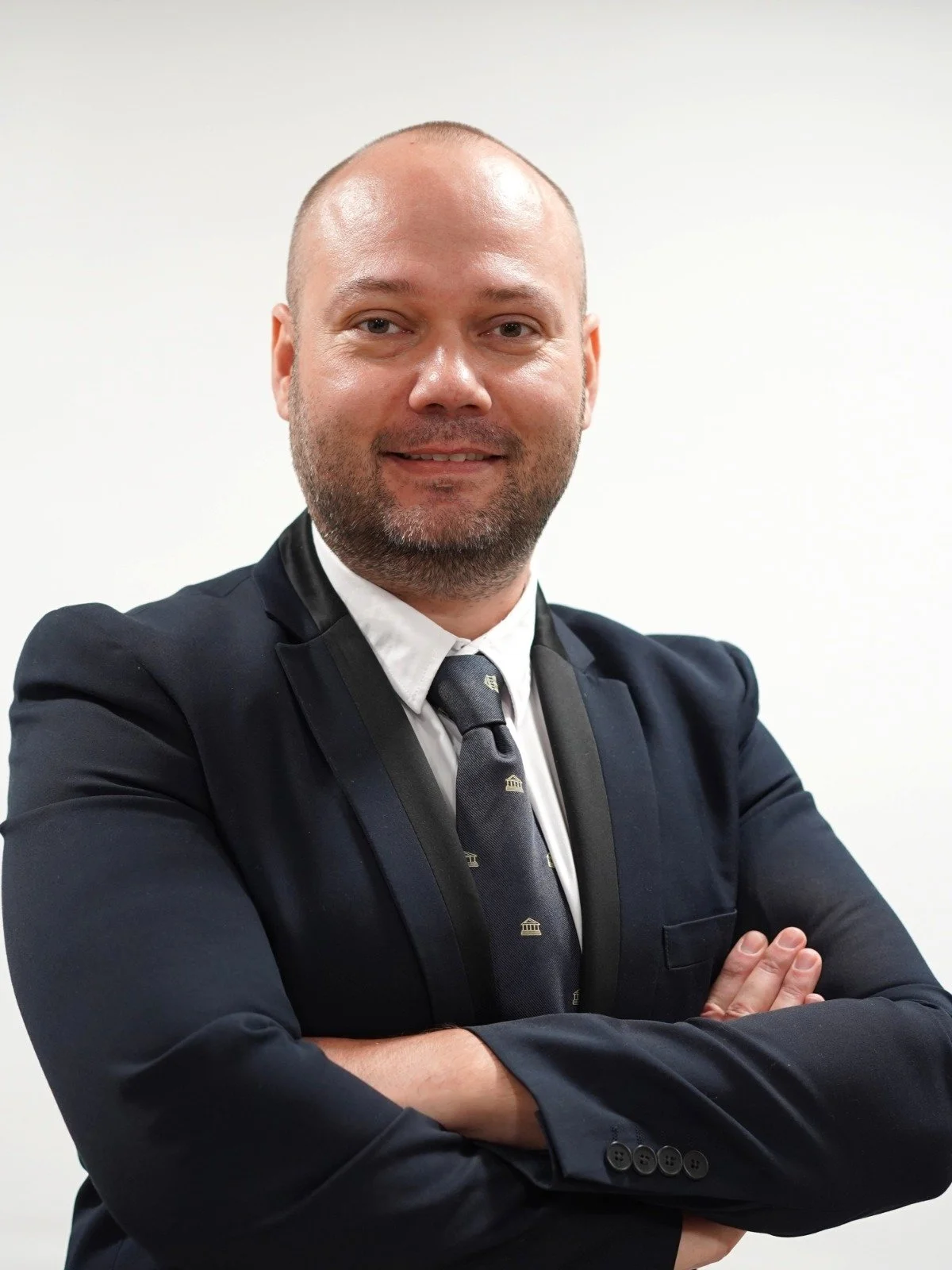
Dmitri Datco is a border management, migration, and security professional with more than 20 years in law enforcement, international security, and program implementation. A retired lieutenant-colonel of the Moldovan Border Police, his expertise spans integrated border management, migration governance, legal identity systems, document examination, counter-trafficking, and international cooperation.
As Team Leader of the IOM-operated Canada Visa Application Centre in Moldova, he leads operational management, stakeholder engagement, project implementation, and service delivery for safe and orderly migration. Across senior Border Police roles, he drove border security modernization, forensic document examination, migration management, capacity-building, and interagency cooperation — implementing one-stop-shop border crossing procedures, establishing cargo control programs at International Port, supporting Advance Passenger Information system deployment, and helping shape national migration and legal identity legislation.
From 2018 to 2020, with the OSCE Special Monitoring Mission to Ukraine, he served as Monitoring Officer and Acting Deputy Patrol Group Leader in Luhansk, coordinating field operations, conducting security assessments, producing analytical reports, and bridging international and national stakeholders in a complex conflict environment.
He has delivered over twenty specialized training programs to roughly 300 officials and officers in border control, document and vehicle examination, cargo inspection, migration governance, and international humanitarian law, and contributed to a forensic laboratory's ISO 17025 accreditation and to regional cooperation against illicit trafficking and cross-border crime. Dmitri holds an MAS in International and European Security (University of Geneva) and a Law degree (Moldova State University), and is a licensed judicial forensic expert. Fluent in Romanian, Russian, and English, he works extensively with governments, international organizations, donors, and law enforcement across Europe and the Eastern Partnership region.
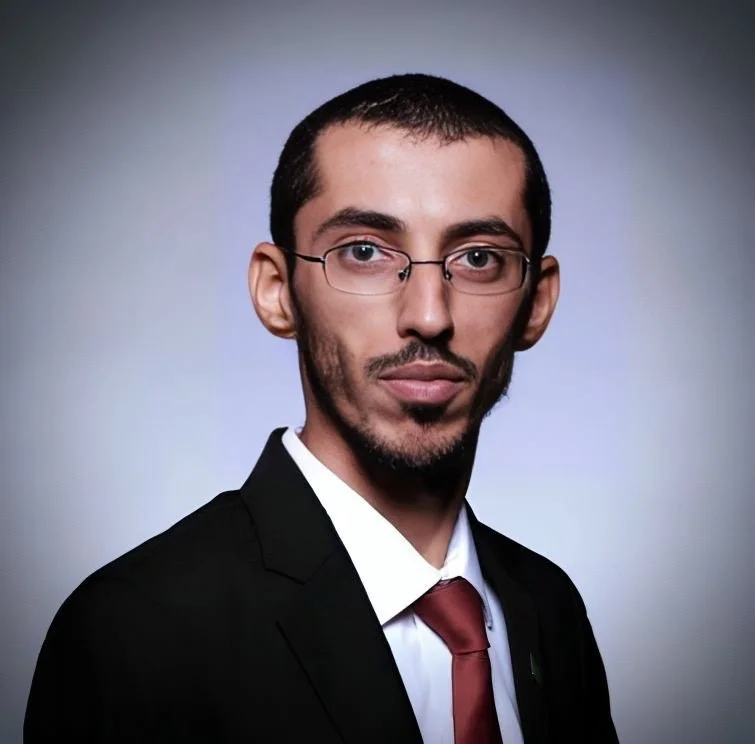
Meshal Aljohani has been in the security industry nearly 17 years in various capacities. He is working as Lead Security Group Officer.
He holds Master degree in Business Administration He has also acquired the ASIS International Triple Crown: Certified Protection Professional (CPP), Physical Security Professional (PSP) and Professional Certified Investigator (PCI) certifications.
His contributions to the field have been recognized through several prestigious honors, including 2025 ASIS PCB Outstanding Achievement Award, 2025 ASIS Distinguished Service Award, and 2023 ASIS NextGen of the Year Award.
He serves as a member of ASIS Professional Development Community and the NextGen Community Steering Committee, an Advisory Board Member for the Security Middle East Conference (2023–2026), and contributes locally through ASIS Dhahran Chapter’s Events & Programs Committee.
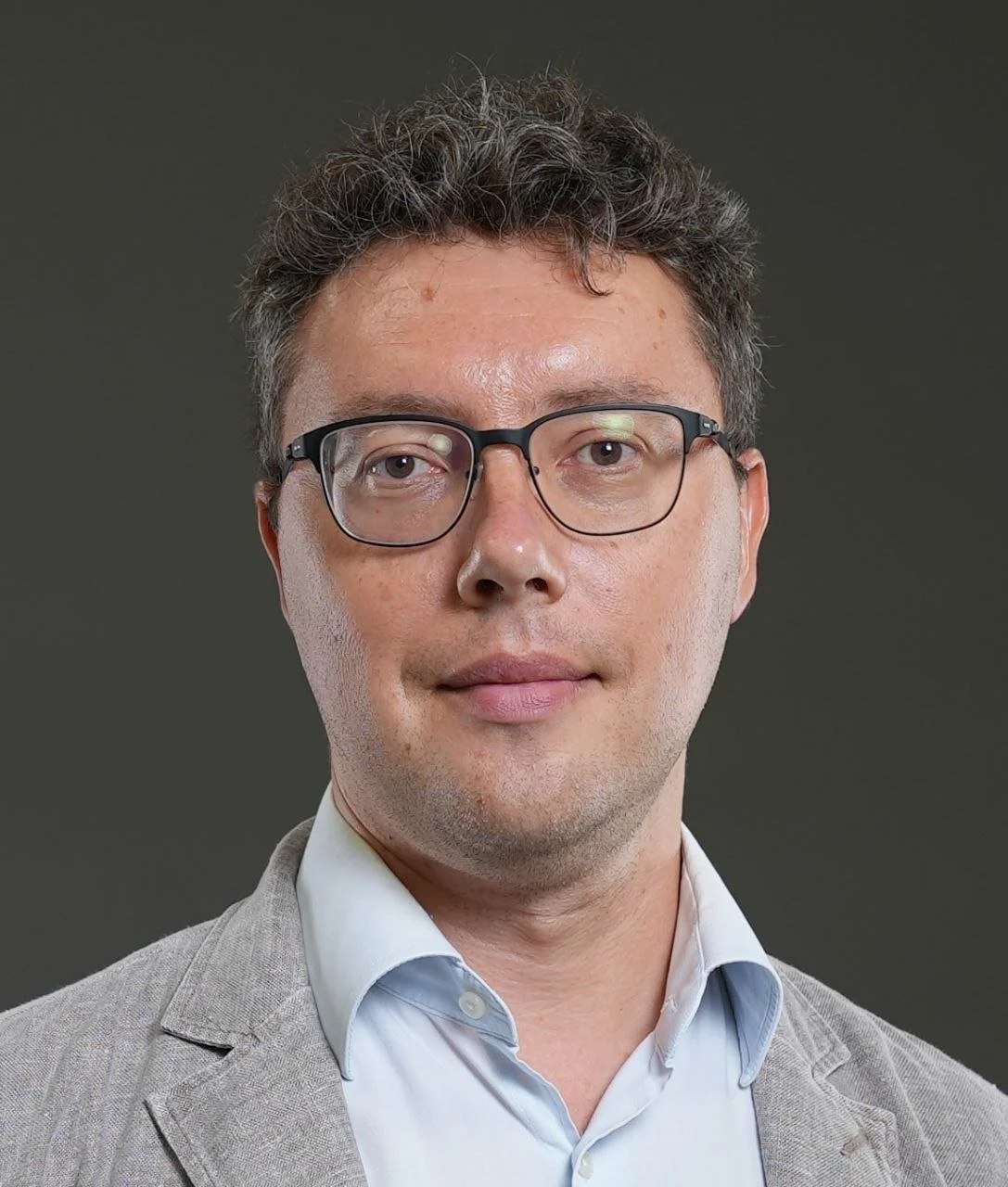
Andrey Ustinov is a command-and-control (C2) systems architect based in Singapore, currently serving as Senior Solution Architect at Thales. He brings more than two decades of experience delivering mission-critical security, technology and operations capability for public safety organisations, critical infrastructure programmes and large-scale international events.
From 2022 to 2026 he was Manager and C2 Systems Architect at NEOM in Saudi Arabia, where he led technical operations for NEOM Public Safety Command and Control — covering the planning, implementation and sustainment of network and datacentre infrastructure, CCTV and access control services, together with their cybersecurity protection. In parallel, Andrey acted as NEOM's technical expert on border security system tenders, evaluating proposed solutions against operational and architectural requirements. He also led technology scouting for the securing of NEOM's extensive land border, assessing long-range surveillance radar, fibre-optic intrusion detection and multi-sensor fusion capabilities.
Prior to NEOM, Andrey spent nearly four years at Expo 2020 Dubai as Head of Program, Command & Control, where he delivered the site-wide Command and Control platform, centralised building management system and computer-aided facility management suite supporting the Expo's main and zonal command centres for event operations and security teams. His major-event background also includes the Sochi 2014 Olympic and Paralympic Winter Games with Atos, where he managed venue IT across the mountain cluster, and the 5th Asian Indoor and Martial Arts Games in Ashgabat, where he led venue technology delivery across nine venues.
Andrey began his career as a software engineer and later held programme and delivery leadership roles across telecommunications, healthcare technology and enterprise software. He holds an MSc in Applied Physics and undertook doctoral research in semiconductor physics at the University of Sheffield. He speaks English and Russian.

Anthony Penwright is a senior technology leader and independent expert with over 20 years of experience in government and defence programme delivery, smart cities, digital infrastructure and emerging technology. He combines national-level public-sector leadership with hands-on delivery of large-scale digital systems, and has directed a career portfolio exceeding £1 billion in programme value across the United Kingdom, Europe, Asia-Pacific and the Gulf.
He began his career in United Kingdom central government and defence, serving as Overseas Programme Director at the Ministry of Defence on one of the largest defence business-change programmes undertaken, spanning 150,000 workstations, 300,000 users and 2,000 sites. He later served as Director of Strategic Operations at the Foreign & Commonwealth Office, accountable for secure global service delivery across 242 diplomatic sites in more than 150 countries. As Programme Director for the Public Service Network at the Cabinet Office he advised ministers on technology strategy and governed a 48-supplier delivery ecosystem.
He played a leading role in establishing smart-city practice internationally. At Cisco Systems he built the Smart City Global Practice from inception, advising tier-one cities across Europe, the Middle East and Asia-Pacific. He subsequently led growth and delivery for a data and Internet-of-Things platform business, and at NEOM held director-level accountability for the technology underpinning the digital master plan of the world’s largest giga-project, leading more than 90 specialists across infrastructure, cloud, data, artificial intelligence and cybersecurity.
His current work focuses on applied artificial intelligence, digital public infrastructure and verifiable data systems — governed multi-agent AI architectures, edge deployment for data-sovereign environments, and cryptographic provenance services using distributed-ledger and trusted-timestamping methods. His interests include sustainable urban systems, interoperability, data-informed decision-making and responsible artificial intelligence. His approach is practical and outcome-centred, grounded in capable teams, clear governance, appropriate technology and measurable public value.
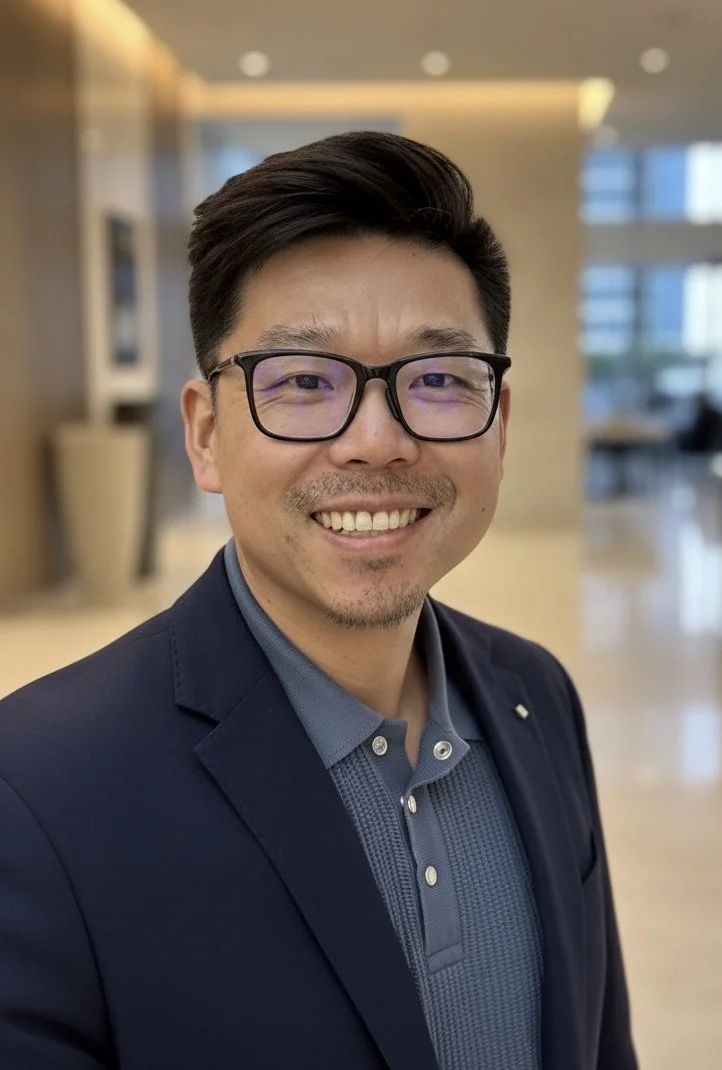
Michael Xie is a senior technology and digital executive with over 25 years of experience spanning AI platforms, cognitive infrastructure, and large‑scale digital transformation. He brings a distinctive combination of founder‑level execution, C‑suite leadership, and complex public‑sector delivery at national and city scale.
Currently serving as NEOM Region Head of Digital & Cognitive, Michael shapes the Cognitive City operating model across data, AI, digital twins, and governance systems. As Chief Product Lead and Architect of NEOM’s cognitive city operating system, he integrates data mesh, AI services, and enterprise platforms into a unified architecture for next‑generation urban environments.
His professional background includes leadership roles across the United States, China, and the Middle East, managing portfolios exceeding SAR 500M and building multidisciplinary teams of 70‑100+ professionals. His technical expertise encompasses AI and cognitive systems, data platforms, digital twins, blockchain and distributed ledger technology, cryptography, zero‑trust architecture, and large‑scale distributed systems.
Michael holds an M.S. and B.S. in Computer Science from UCLA, with additional certifications in technical program.
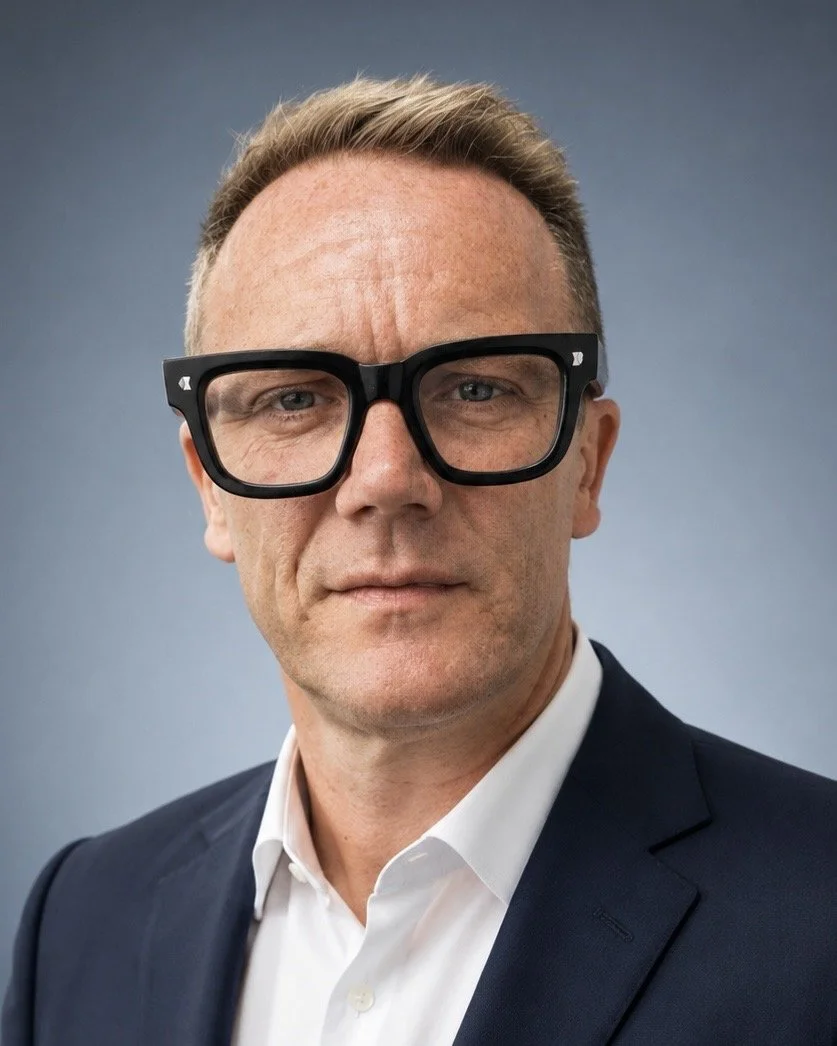
Nick Murdoch is an international expert in border management, migration, digital transformation, artificial intelligence and strategic foresight, with more than two decades of experience leading policy development, institutional reform and operational transformation in the UK, Europe and internationally.
His career spans senior leadership positions in government, international organisations and advisory roles supporting national authorities, institutions and partner countries. He has worked extensively on integrated border management, migration governance, customs cooperation, digital identity, interoperability, command and control systems, and emerging technologies for public administration and security. Throughout his career, he has advised governments and international organisations on institutional modernisation, capability development and strategic planning, helping organisations translate complex policy objectives into practical operational solutions. His work combines experience in operational leadership with expertise in governance, innovation and cross-border cooperation.
In recent years, his focus has expanded to the intersection of artificial intelligence, digital transformation, risking and targeting, and the future of government. He works with public institutions and private sector partners on AI adoption, organisational change, data-driven decision-making, strategic foresight and the implications of emerging technologies for border management and public administration.
Alongside his advisory work, he is a recognised thought leader, and international speaker on border security, migration, AI, digital government and the future of public institutions. His approach combines strategic vision with practical implementation, helping organisations navigate complex transformation while strengthening institutional resilience and operational effectiveness.

Lyn Tohovaka is an internationally experienced border and aviation security executive and strategic advisor with more than 30 years of experience across aviation security, airport operations, border security, immigration, intelligence, risk management and government operations.Her career spans Australia and the Middle East, including Saudi Arabia, Iraq, Kuwait, Qatar and Egypt, as well as other international assignments across Asia and beyond.
Lyn has extensive experience translating strategic and regulatory objectives into practical operational solutions and coordinating across government agencies, airport operators, airlines, immigration, customs and other critical stakeholders. Her work has provided her with a strong appreciation of the importance of institutional coordination and technology in achieving both secure borders and efficient movement of people.
Her experience across the Middle East and South East Asia has given her particular insight into rapidly evolving aviation and border environments, including the implementation of international standards, technology-enabled border processes and the challenges of delivering transformation across complex institutional settings.
A strong supporter of Women in Aviation, Lyn has regularly participated in the Middle East Chapter and actively encourages young professionals, particularly women, to participate in industry forums, contribute their perspectives and develop a strong professional voice.
Vladimir Ivanov is a senior security, intelligence, and risk management professional with over 30 years of experience in corporate security, military intelligence, counterintelligence, operational security, and international missions. He has a strong record in threat and risk assessment, intelligence analysis, crisis preparedness, physical security, surveillance systems, and the development of operational security procedures.
Previously, Vladimir held international security and analytical roles with the European Union Delegation in Afghanistan, the OSCE, NATO, the Bulgarian Ministry of Defence, and international security contractors, including deployments to Iraq and Afghanistan. His responsibilities included preparing threat assessments, advising senior leaders, delivering operational briefings, developing procedures, and coordinating intelligence, surveillance, and reconnaissance activities. Vladimir holds master’s degrees in National and International Security Management and Military Intelligence, as well as a degree in Civil Engineering, and is a graduate of the George C. Marshall European Center for Security Studies.
Vladimir currently serves as a Security Specialist at Intuitive Surgical Bulgaria, where he is responsible for physical security operations, access control, incident preparedness, security awareness, contractor and visitor management, and regulatory compliance. He develops security procedures, training programmes, and practical response guidance while coordinating with management, employees, external security providers, and public authorities. His professional interests include corporate and physical security, intelligence-led decision-making, operational resilience, counterterrorism preparedness, and the development of effective security teams.
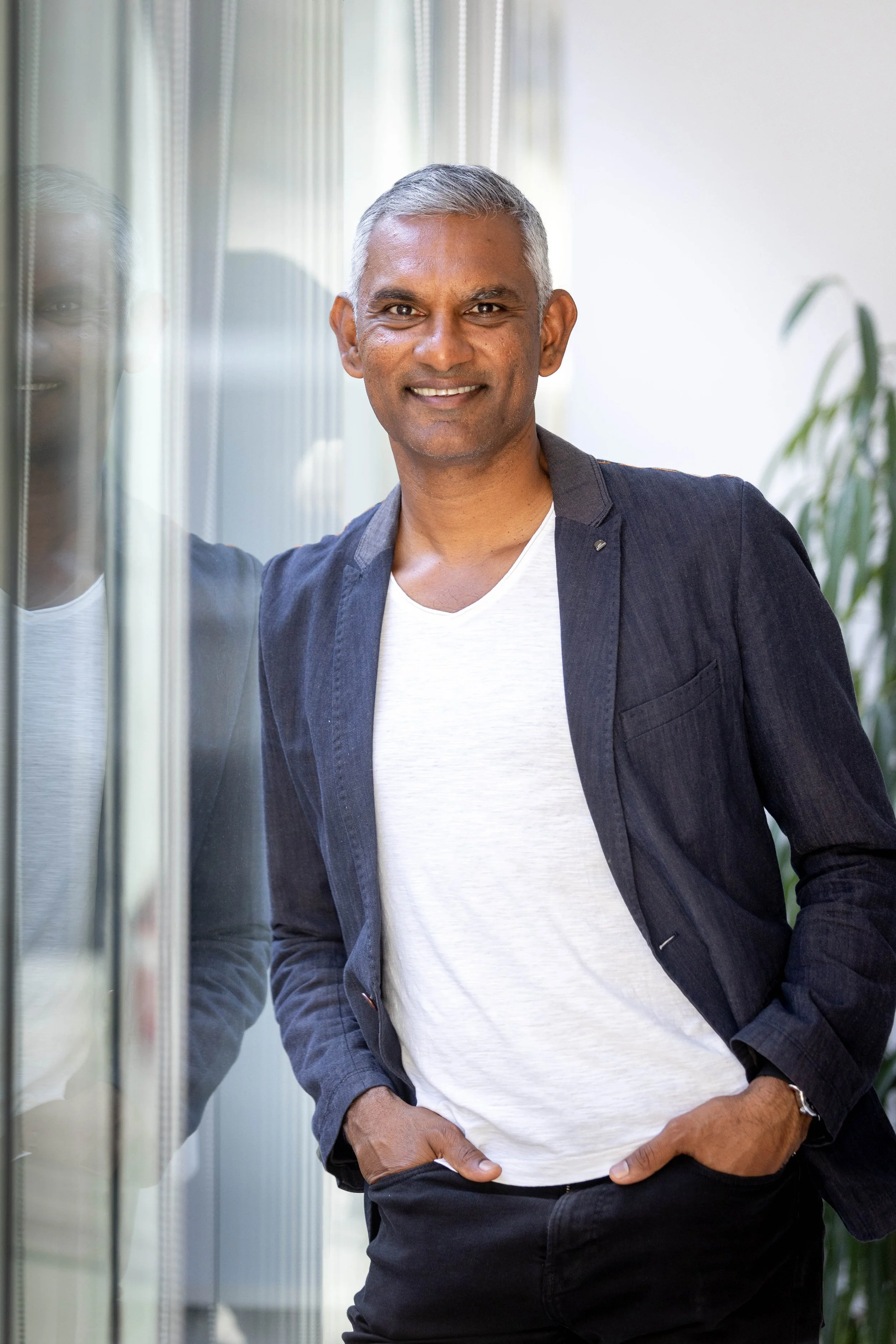
Maysho Prashad is an international strategic advisor with more than two decades of experience supporting governments, developers, investors, and executive leaders in the delivery of complex cities, destinations, and major infrastructure projects. His expertise spans development strategy, governance, urban planning, resilience, security, operational readiness, and investment planning across North America, the Middle East, Asia, and Africa.
Throughout his career, Maysho has contributed to major projects including THE LINE at NEOM in Saudi Arabia and the Van Don Special Administrative Economic Zone in Vietnam. Before joining Tenacities, he served as Senior Development Manager for THE LINE and held senior planning and urban-design roles with Arcadis/CRTKL in Shanghai, Dubai, and Hong Kong. He also advised the United Nations on strategic urban-development assignments in Myanmar, Saudi Arabia, and Timor-Leste and worked with internationally recognised firms including Gensler and 5+design in Los Angeles.
In his current leadership role at Tenacities, Maysho advises organisations on the strategic decisions that shape resilient, investable, and operationally successful developments. He helps clients identify risks, align stakeholders, strengthen investment confidence, and translate complex development challenges into clear and actionable strategies. Maysho holds a Master of Science in Architecture and Urban Design from Columbia University and a Master of Architecture from the University of Florida. He is an accredited member of the American Institute of Certified Planners and the Hong Kong Institute of Urban Design and is a LEED Accredited Professional.

Ghenadie Petrica is a retired Army officer with extensive professional experience in international environments, specializing in military, political, and border management issues. Throughout his career, he has worked in complex international and security contexts, contributing his operational knowledge and expertise to multinational missions.
He has participated in field missions conducted by the United Nations and the Organization for Security and Co-operation in Europe in West Africa, the South Caucasus, and Eastern Europe. These assignments provided him with broad experience working across diverse regional, political, and operational environments.
Ghenadie holds a Master’s degree in International Law from the Moldova University of European Studies.
Since December 2024, he has been working with the International Atomic Energy Agency as part of the IAEA Assistance and Support Mission to Ukraine. In this role, he provides expertise in security and operational support, drawing on his extensive military background and international field experience.
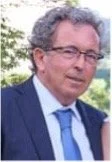
João Rodrigues is a customs officer with the Portuguese Customs Administration and an international expert in Integrated Border Management, good governance, trade facilitation, border security, and customs training. He has extensive operational and advisory experience across land border crossings, seaports, and airports, with a strong focus on institutional capacity building, inter-agency cooperation, and effective customs procedures.
His international career began in Timor-Leste, where he served from 2001 to 2007 as a Border Supervisor and Customs and Borders Advisor. He played a leading role in establishing border and customs systems in the newly independent country, supporting operations at land crossings, ports, and airports. In 2013, as a customs expert, he contributed to the European Union’s Integrated Border Management Study for Latin America and the Caribbean, developing proposals to strengthen maritime and seaport controls and combat human trafficking and the smuggling of cocaine and weapons.
João has also undertaken border-management assessments in Niger and the wider Sahel region, identifying institutional gaps and operational needs related to Integrated Border Management. For the League of Arab States, he contributed to an analysis of corruption within border agencies, focusing on trade facilitation and the prevention of crime and corruption. As a Principal Training Assistant for the World Customs Organization’s Programme Global Shield, he developed capacity-building and training programmes on dual-use chemicals and explosive precursors for border agencies in Central Asia and Lebanon, supporting their implementation within integrated border-management frameworks.

Edward Palmer is a senior global mobility, immigration and border management executive with more than 20 years’ experience leading large-scale transformation across government and the private sector.
He currently serves as Senior Director at Fragomen, where he leads the centralization and transformation of immigration operations, developing scalable operating models and advancing standardization, automation and technology-enabled service delivery.
Previously, Edward held senior leadership roles with NEOM, VFS Global and the UK Government. At NEOM, he designed the enterprise immigration operating framework and helped develop a national visa and immigration services model, incorporating digital visa processing, biometrics, automated decision-making and emerging AI capabilities. Across VFS Global and the UK Government, he led major international visa operations and outsourcing programmes, large-scale service and network expansion, and the delivery of biometric and digital identity initiatives.
His expertise spans global mobility and immigration strategy, border and visa management, digital identity and biometrics, operational transformation, automation and AI-enabled processing, government outsourcing, public-private partnerships, and the design and scaling of complex international service delivery models. He has extensive experience working with governments, diplomatic missions, regulators and commercial partners to translate policy and technology into practical, secure and scalable operational solutions.

Khaled Elayyan is a senior global executive and subject matter expert with over two decades of leadership in border management, government technology, biometrics, and national security solutions. He has served as a strategic trusted advisor to sovereign governments, ministries of interior, airport operators, and public security agencies across the Middle East, North Africa, South East Asia, Europe, and the Americas, guiding complex digital transformation initiatives to modernize sovereign borders.
Throughout his career, Khaled has held senior executive leadership roles across top-tier border tech and security organizations, including Vice President of Government Partnerships at Travizory Border Security SA, Global Head of Go-to-Market for Border Management at SITA, and Director of Sales & Business Development at IDEMIA. Over his career, he has driven B2G, G2G and B2B growth strategies, securing over $600M in cumulative government technology programs and leading high-value engagements in digital travel authorization, biometric identification, and automated border control.
Khaled bridges the gap between public policy requirements and cutting-edge security technologies. His domain expertise spans Advance Passenger Information and Passenger Name Record (API/PNR) systems, Electronic Travel Authorizations (eVisa/ETA/DTC), biometric entry/exit solutions, Automated Border Control (ABC) gates, and risk assessment targeting centers. Khaled holds an engineering degree and executive credentials from leading universities in the US, UK and Jordan.
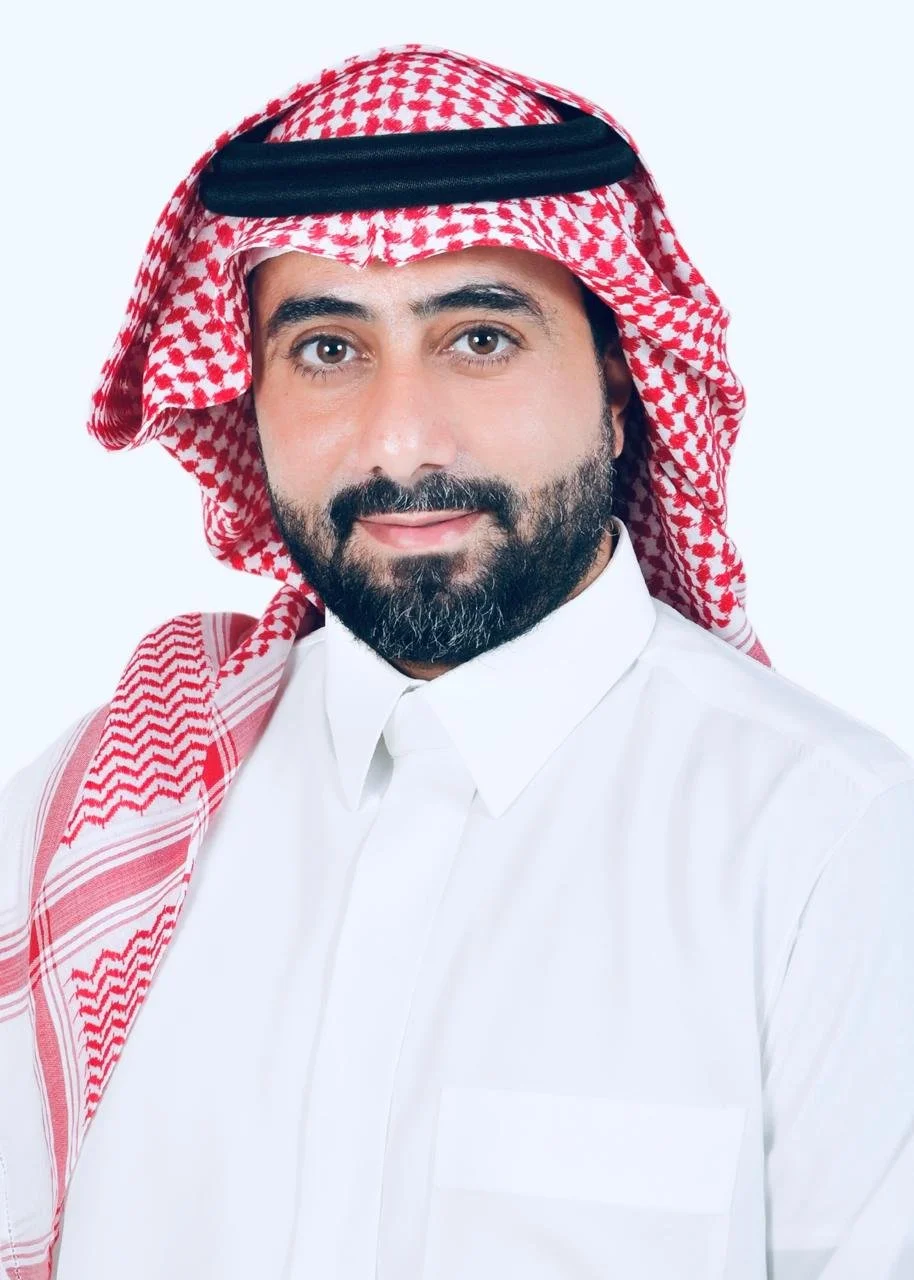
Essam Farahat is an aviation and airport operations expert with more than 12 years of experience in complex, high-traffic airport environments and large-scale aviation transformation programmes. His career includes senior operational responsibilities across major Saudi airports, including King Abdulaziz International Airport in Jeddah and NEOM Airports.
His expertise covers airport operations and maintenance, operational governance, safety, security, regulatory compliance, operational readiness and airport transfer (ORAT), contract governance, crisis management and performance assurance. He has led multidisciplinary teams of more than 300 employees, managed major operational transitions and coordinated multiple stakeholders to support airport performance and service excellence. His work contributes to the continued development of Saudi Arabia’s aviation sector and its alignment with Vision 2030.
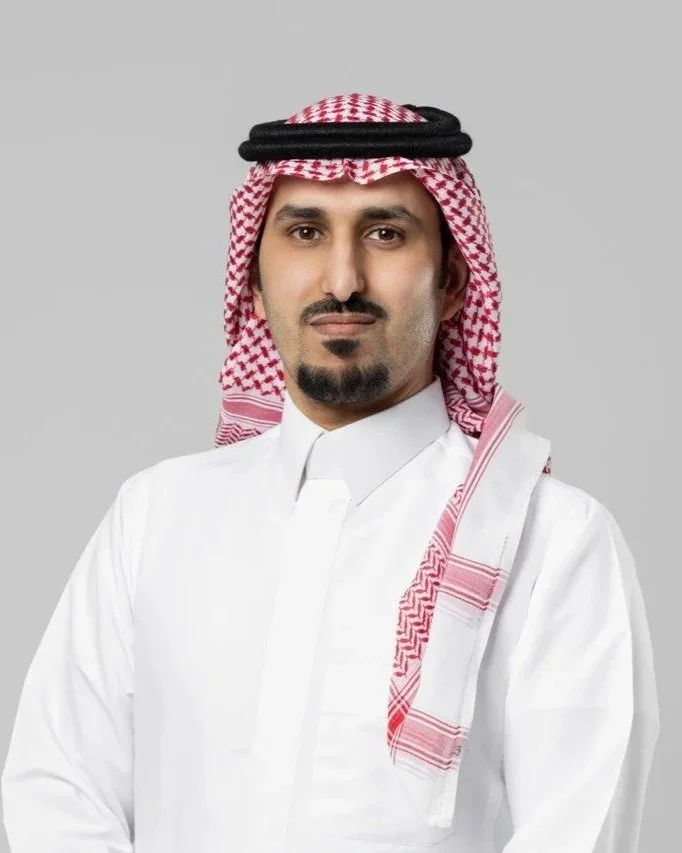
Abdullah Alshammari is an operations and crisis management leader with more than 20 years of experience across public safety, energy, security, and environmental conservation. He began his career in emergency and command-and-control operations and has since progressed through leadership roles in operational planning, regional operations, crisis management, and organizational readiness.
He currently serves as Director of Operations Planning and Control, where he leads operational planning, command-and-control coordination, performance monitoring, and the development of integrated operational frameworks. His experience includes leading operations centers, coordinating multidisciplinary teams, managing incident response, and improving operational governance and business continuity.
Abdullah is particularly interested in building resilient and sustainable operational systems, strengthening emergency preparedness and response capabilities, and advancing collaboration across the command-and-control, security, crisis management, and environmental protection fields.

Stephen Williams is a public safety executive and emergency communications leader with 30 years of experience leading complex public safety and command and control organizations.
Throughout his career, he has built and led high-performing, award winning teams, modernized emergency dispatch and command and control systems, and implemented innovative technologies designed to strengthen public safety and improve service delivery. His leadership experience spans the globe, with experience in the United States, United Kingdom, and in the Middle East.
Currently, Stephen leads Emergency Communications for the City of Spokane, Washington where he is building an advanced emergency communications center. He is responsible for deploying new technologies, hiring and training new staff and integrating advanced technologies including AI, CAD, RMS, and mission-critical communications.
A strategic and people-centered leader, Stephen is recognized for combining operational discipline with innovation and forward-thinking technology. His leadership philosophy emphasizes public trust, employee development, organizational resilience, strong community and interagency partnerships, and the responsible use of technology to enhance emergency response.
With experience spanning frontline operations, executive leadership, technology transformation, workforce development, and emergency preparedness, he brings a broad perspective to the evolving challenges facing modern public safety response. He is committed to building resilient, scalable, and high-performing command and control organizations that are prepared to serve their communities today while anticipating the needs of tomorrow.
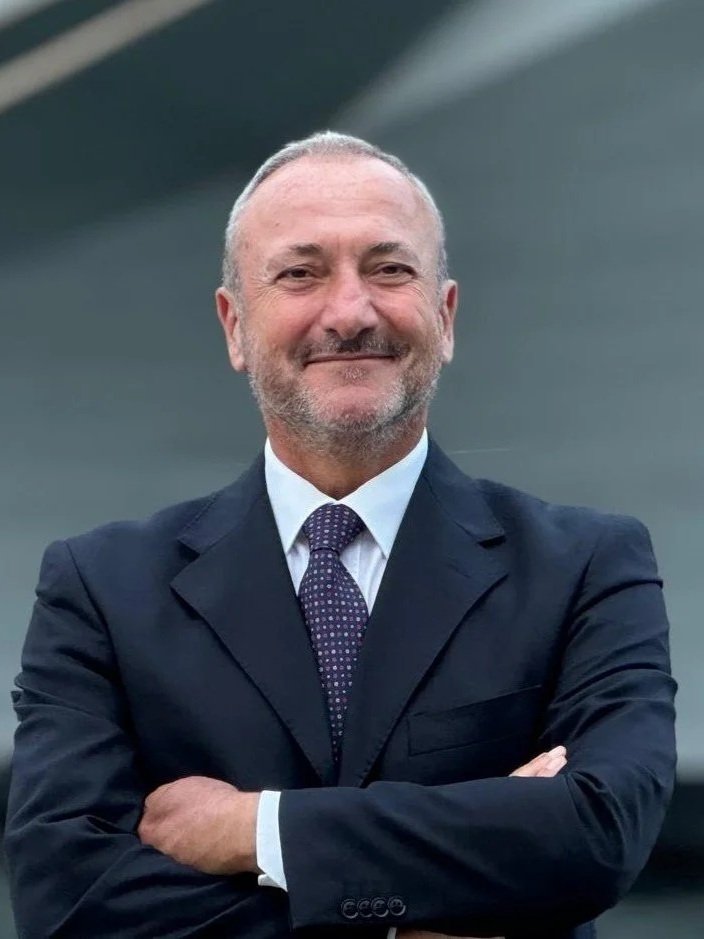
Vice Admiral ITA Navy (Ret.) Giorgio Lazio brings 45 years of service in the Italian Navy, including approximately 12 years at sea and 15 years abroad or in international environments. Throughout his career, he held senior national Defence Staff positions in policy development, intelligence and education and led several successful Italian Navy-sponsored maritime security initiatives. He served aboard numerous naval vessels and formations, culminating in command of the aircraft carrier Giuseppe Garibaldi, which operated in the aftermath of the 2006 Lebanon–Israel crisis. His operational experience also includes maritime diplomacy missions, international maritime security patrols and the containment of marine oil pollution.
From 2008 to 2011, Vice Admiral Lazio served in Brussels as Principal Military Assistant to the Chairman of the NATO Military Committee, operating at the political-military level during a period of major transformation for the Alliance. During his tenure, NATO welcomed two new members, adopted a new Strategic Concept, launched an extensive structural reform and managed up to five simultaneous operations across three continents. In 2012 and 2013, he headed the Military Policy Office in the Cabinet of the Italian Minister of Defence, accompanying or representing the Minister on official engagements across five continents and travelling approximately 250,000 miles.
From 2013 to 2016, he became the first Italian officer appointed Chief of Staff of NATO’s Allied Maritime Command (HQ MARCOM) in Northwood, United Kingdom. He led the headquarters through its consolidation and transformation from two maritime component commands into a single Allied Maritime Command responsible for all four Standing NATO Maritime Groups and two major concurrent operations, guiding the staff from the initial consolidation phase to full operational capability. From 2017 until his retirement on 12 October 2021, he served as the Italian Navy’s Northern Maritime Commander in La Spezia, holding territorial and logistical responsibility for 11 Italian regions and 21 headquarters.
From 2021 to 2023, Vice Admiral Lazio remained Chairman of the Tender To Nave Italia Foundation, a joint initiative of the Italian Navy and the Yacht Club Italiano in Genoa that supports young people affected by disabilities or social disadvantage. From August 2024 to September 2025, he served as Senior Advisor to the Chief of Staff of the Royal Saudi Naval Forces within the Kingdom of Saudi Arabia’s wider Defence Transformation programme. He currently mentors young Italian graduates as they develop international networks in policy and strategy and actively cooperates with cultural, social and environmental non-profit organisations. A native Italian speaker, he is fluent in English and has a working knowledge of French.

Hannes Krauss is a German cybersecurity specialist. He works at the intersection of information security and the governance of artificial intelligence, with organisations that handle sensitive data across jurisdictions.
He led a threat intelligence team at a German cybersecurity consultancy, where he also worked in vulnerability analysis and the design of security solutions, assessing systems from the perspective of those seeking to compromise them. He subsequently joined the central cybersecurity department of a German distribution group of some 32,000 employees across more than 1,000 locations, working as a senior security architect and data engineer on secure cloud architecture and data infrastructure, and contributing to the group's first artificial intelligence initiatives.
His security work covers threat intelligence, vulnerability assessment, secure architecture for distributed environments, identity and access control, and the protection of sensitive data where it is exchanged between organisations or across borders. He approaches systems from the attacker's side first, on the principle that a control is only worth what it withstands.
In artificial intelligence his focus is assurance: establishing what an automated system must be able to prove, rather than only what it can perform. He works on how organisations retain control over what such systems may access, how personal data is protected before it is processed, how individual decisions can be reconstructed and evidenced for oversight bodies, and how models are examined for bias, explainability and behaviour that drifts over time. He also works on the robustness of artificial intelligence systems against manipulation, an area where conventional security assessment methods do not yet apply.
His current work includes data sovereignty, privacy preserving architecture for information exchange between agencies, and the governance obligations attaching to high risk applications of artificial intelligence, including those in border management and migration. He is based in Dubai and works in German and English.
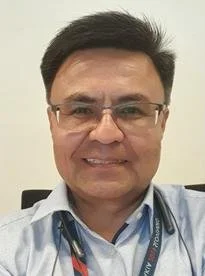
Otabek Rashidov is an independent international expert and consultant specialising in responsible AI governance, digital transformation, and the application of emerging technologies in law enforcement, counter-terrorism and border security. He brings more than 20 years of professional experience across national institutions, the OSCE and other international settings.
Previously, he served as Programme Officer in the Action against Terrorism Unit of the OSCE Secretariat, where he designed and coordinated capacity-building programmes on countering the use of the internet for terrorist purposes, electronic evidence, OSINT and the responsible use of artificial intelligence in law-enforcement and counter-terrorism contexts.
His recent work focuses on translating AI governance principles into practical institutional guidance and country-tailored training. He has designed and delivered programmes for law-enforcement and border-security practitioners across Central Asia and South-Eastern Europe, covering AI governance and readiness, human-rights safeguards, data governance, locally deployed language models and retrieval-augmented generation, prompt-injection risks, auditability and human oversight. His training work draws, among other sources, on the INTERPOL-UNICRI Toolkit for Responsible AI Innovation in Law Enforcement.
Otabek joined the OSCE Secretariat in 2018 after seven years with the OSCE Project Coordinator in Uzbekistan, where he managed projects on counter-terrorism, border security, cybersecurity, illicit drugs, non-proliferation of weapons of mass destruction and law-enforcement training reform. Earlier, he spent about ten years with Uzbekistan's law-enforcement agencies and six years as a Political/Security Adviser at the Japan International Cooperation Agency office in Tashkent.
He holds a Professional Master's Degree in Artificial Intelligence from Rome Business School and Valencia University, a Master of Public Administration in International Development from the University of York, and a Master's Degree in ICT and Applied Mathematics from Tashkent State University.