Mission & purpose
The mission of Beyond Borders is to advance the transformation of border management and global mobility by connecting senior practitioners, generating applied knowledge and enabling credible cross-sector initiatives.
The platform will pursue five purposes:
1. Connect senior practitioners and specialists across border security, customs, migration, command and control, risk analysis, crisis management, aviation, technology, innovation and related fields.
2. Translate operational experience into practical knowledge by producing shared analysis, professional guidance and forward-looking recommendations capable of informing policy, institutional development and operational practice.
3. Develop joint initiatives and practitioner-led solutions addressing emerging challenges in border management, security, mobility, digital transformation and institutional resilience.
4. Provide an independent and credible practitioner voice in international conferences, policy discussions, expert forums and other relevant sectoral events.
5. Build a substantive intellectual and professional foundation for future collaborative activities, including research, pilot initiatives, capacity development and, where appropriate, separately structured advisory support.

Expert Dialogue & Working Groups
Closed and open expert roundtables and time-bound thematic working groups where senior practitioners examine specific operational, policy and technology challenges and turn shared experience into practical conclusions.
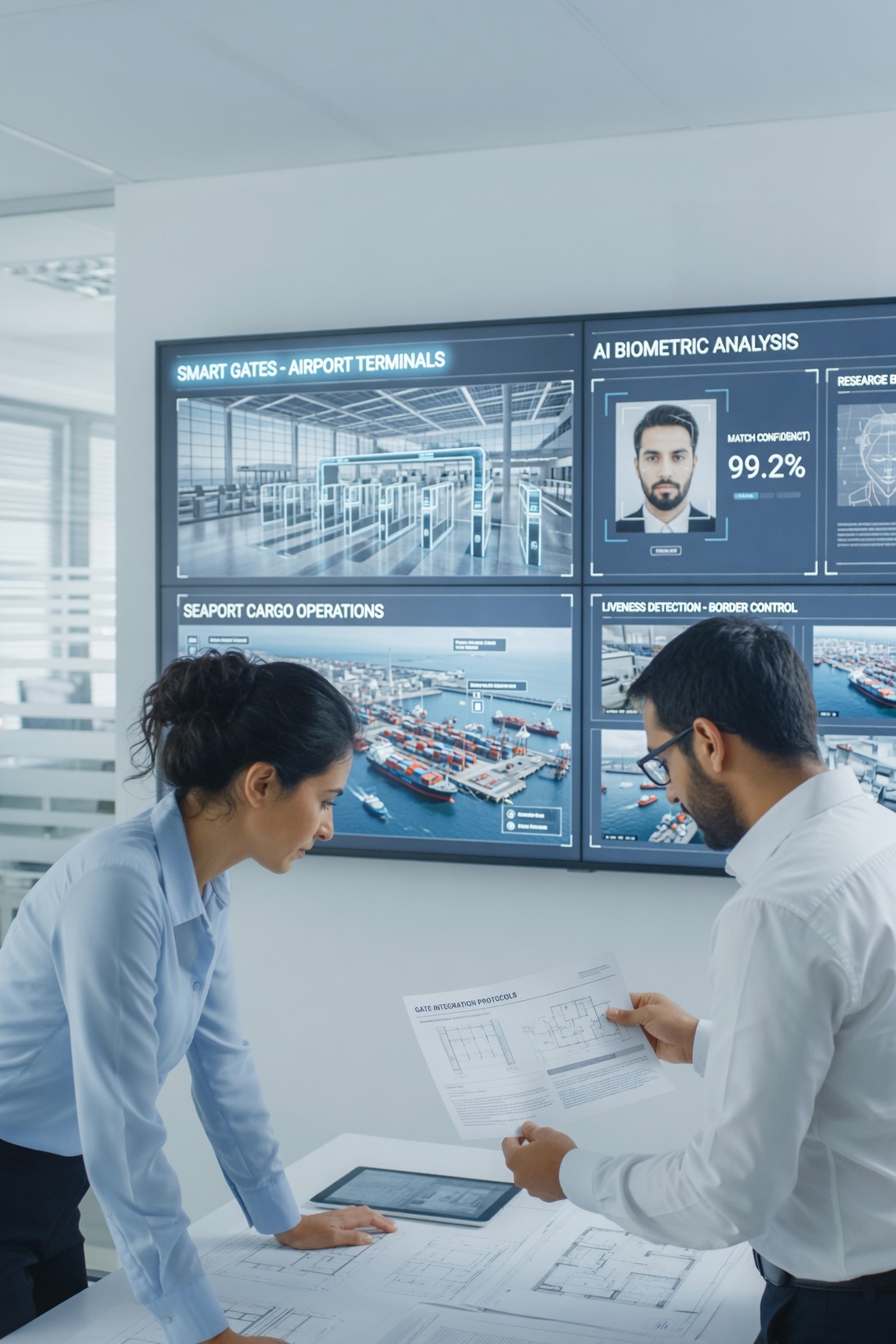
Research, insight & best practice
Joint position and insight papers, comparative best-practice reviews, horizon scanning and peer-review panels that translate the collective experience of members into practical, authoritative analysis.

Events & joint initiatives
Expert roundtables, conference sessions, the Beyond Borders Dialogues series and an annual forum - together with joint studies, pilot initiatives, innovation labs, research partnerships and cross-border cooperation projects developed with universities, international organisations and knowledge partners.
Thematic pillars
Our work is organised around three inter-connected pillars.
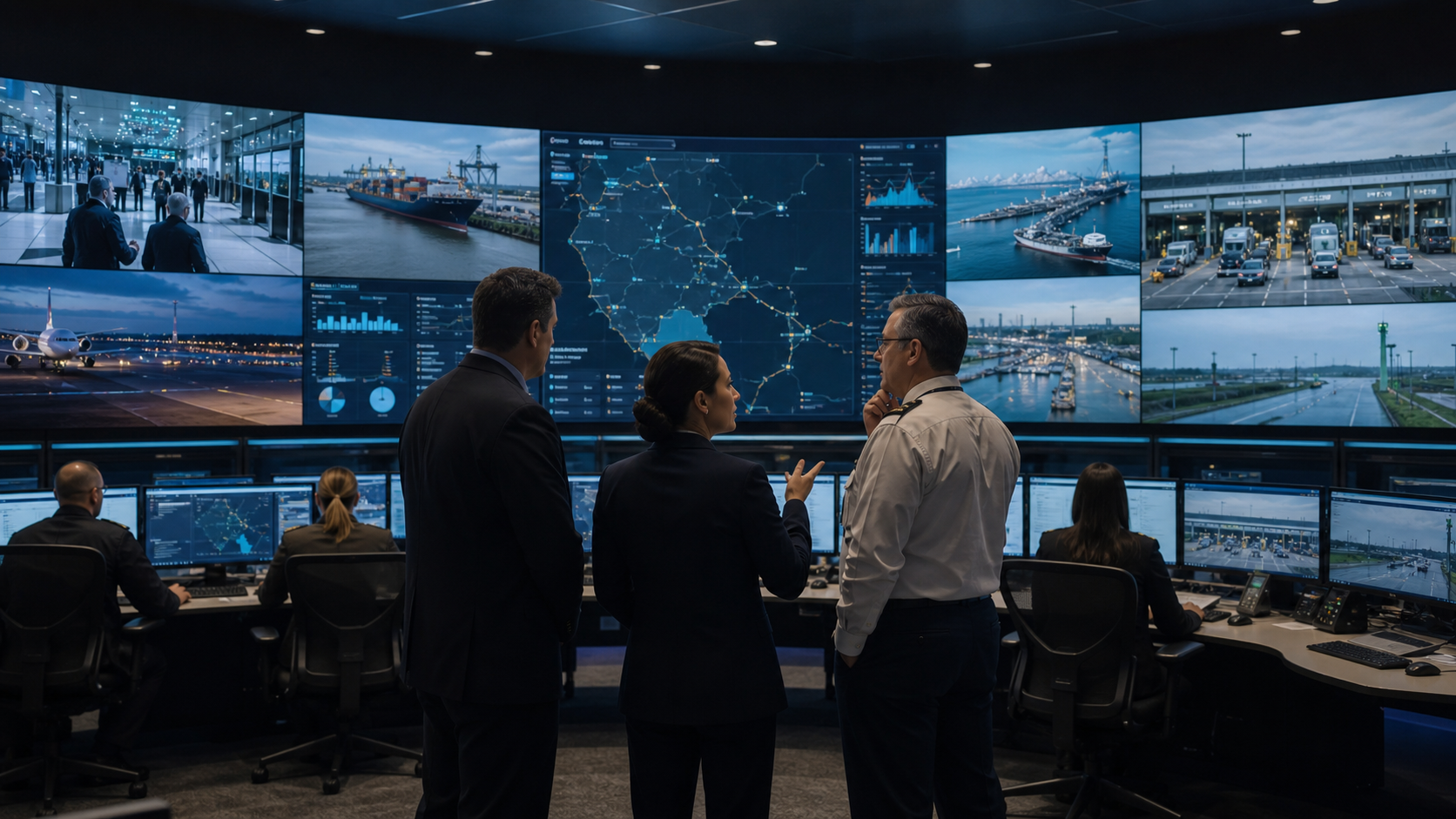
I. Border management transformation
1. Integrated Border Management, interagency cooperation and cross-border coordination, including in crisis and emergency situations, institutional, legal and operational models.
2. Risk analysis, targeting and intelligence-led border management
3. Coordination among customs, immigration, border-security, law-enforcement and other relevant authorities
4. Land, air and maritime border environments including their operational interdependencies
5. Institutional resilience, operational continuity and preparedness for evolving security and mobility risks
6. Capacity development, professional standards, leadership and implementation readiness

Digitalization and emerging technology
1. Digital identity, biometrics and identity assurance
2. Automated border control pre-arrival processing and seamless traveler and goods clearance.
3. Passenger data, interoperability and cross-jurisdictional information exchange.
4. AI, predictive analytics and emerging technologies in border, migration and customs environments.
5. Data quality, cybersecurity, system resilience and trusted digital infrastructure.
6. Technology governance, accountability, privacy and human oversight.
7. Alignment between technology, operational models, organizational capacity and institutional readiness.

Future of global mobility
1. Trusted mobility and secure facilitation and risk-based differentiation.
2. Global mobility architecture and distributed decision-making.
3. Public-private cooperation across the travel, transport, logistics and trade continuum.
4. Resilience, crisis response and adaptation to changing mobility, security and supply-chain risks.
5. New approaches to balancing security, facilitation, inclusion and individual rights.
6. Future skills and leadership requirements for border institutions.
7. Institutional trust, mutual recognition, interoperability and responsible reliance on partner systems
8. Timely identification and activation of alternative trade corridors, temporary facilitation measures and coordinated border-management arrangements to maintain the movement of essential goods during crises and emergencies.